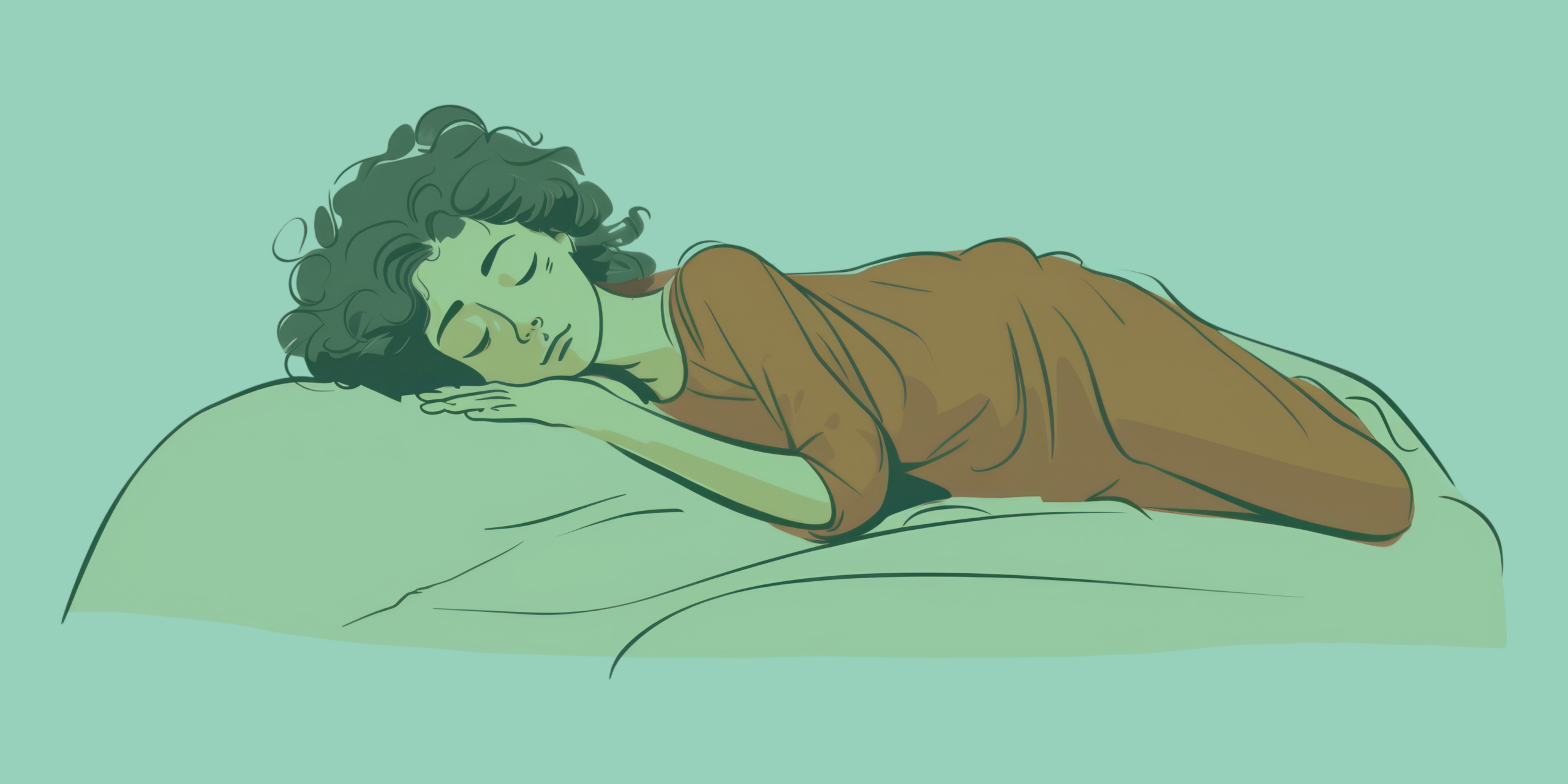
Advice is easier said than done. Phrases like “listen to your body,” “be patient with yourself,” and “accept where you are” are simple, but living them is something else entirely. In recovery, I navigate chronic pain, fatigue, and the constant negotiation between what I want to do and what my body will allow. And it’s all day long every day that the battle occurs. I do listen to my body, but only when it’s screaming so loud at me that I can’t ignore it anymore.
The Negotiation
I used to push through everything. That mindset doesn’t survive long in recovery.
Now, when my body speaks, it interrupts and changes my plans whether I like it or not. When it tells me to stop, and I don’t want, to the negotiation begins.
I can be out on a walk, wanting to look around at the scenery, enjoying the outdoors like I used to. My body, however is saying, “That’s too much. Slow down. Narrow your focus.”
I have to choose which one to listen to, my mind or my body. Is the pain worth the pleasure? Most of the time I don’t know the answer, so my default is to keep going
The choice is not automatic. It’s learned. And honestly, most days I get it wrong.
The Confusion: Fatigue or Avoidance?
One of the hardest parts of recovery is understanding my new body. There are times when I don’t want to do something, and I have to ask myself, “Is this fatigue or laziness?”
Before my stroke, the answer was laziness, so I would push through. Now, pushing through can cost me hours or even days of sleeping. I’ve had to learn a different kind of awareness.
The way I test it is that I ask myself, “If this were something I really love to do, would I still feel this way?” If the answer is yes, then I know my body is asking for rest.
And rest in recovery is action.
Rest Is Not Passive
Rest feels like doing nothing. And for someone who built a life on doing, achieving, and moving, it can feel frustrating, like wasting time. But in recovery, rest is not passive. It’s active. Rest allows healing to happen, prevents setbacks, and makes tomorrow possible.
And yet, even knowing that, I still frequently lie down and think I should be doing more.
The real work here is in giving myself permission.
The Comparison Trap
Nothing steals peace faster than comparing myself to someone working a full day, running errands, living a full life that used to be normal for me. Suddenly, everything I do, or don’t do, feels small. But that thinking pulls me back into grief for what was lost instead of what remains.
If I measure myself against others or what I used to be, I lose. But if I measure my life by what I can do today, in this version of me, I live in gratitude, willingness, and acceptance.
Peace becomes possible again.
The Truth About “Easier Said Than Done”
When we say something is “easier said than done,” it sounds like an excuse, but I think it’s the truth. Because listening to our bodies must happen constantly and consistently. Acceptance is fluid. Just as our lives, change by the day, so do our challenges.
These are daily practices, sometimes minute-by-minute.
The Real Work
The real work in recovery is learning to pause long enough to practice the next right thing, failing and trying again, choosing, over and over, to respond differently than your instincts suggest. That’s the part people leave out when they hand us those simple, perfect phrases.